
public
The role of luck versus skill in casino gaming
Understanding the Concepts of Luck and Skill
Luck and skill are two fundamental concepts that shape the experience of casino gaming. Luck represents the unpredictable outcomes of events that no amount of strategy can influence. For instance, when spinning the reels of a slot machine or rolling the dice in craps, players often rely on chance to determine their success. This element of chance can often feel like a double-edged sword, as it can lead to thrilling wins or devastating losses, creating a rollercoaster of emotions that characterizes the gambling experience. Many players enjoy exploring options like $20 neosurf casino australia real money to enhance their gameplay, and understanding this dynamic can help players navigate the complexities of casino games more effectively.
Conversely, skill involves the application of knowledge, strategy, and decision-making to influence the outcome of a game. Games like poker and blackjack are prime examples where players can leverage their understanding of probabilities, psychology, and strategic play to gain an advantage over their opponents or the house. In poker, for instance, players must not only understand the odds of their hands but also read their opponents’ behaviors. Consequently, while luck dictates certain outcomes, the skill level of a player can significantly enhance their chances of winning in games where strategy is paramount.
Understanding the balance between luck and skill is crucial for anyone venturing into the world of gambling. Players must come to terms with the fact that despite their best efforts to outsmart the game, luck will always play a pivotal role. This acknowledgment can help manage expectations and promote responsible gambling practices, allowing players to focus on enjoyment rather than solely on the pressure of winning or losing. Recognizing when to rely on skill and when to accept luck can lead to a more fulfilling gaming experience.
The Influence of Luck in Casino Games
Luck plays a prominent role in various casino games, particularly those that are deemed games of chance. For example, in roulette, the outcome of a spin is entirely left to chance, determined by where the ball lands on the wheel. Players who choose to engage in such games must accept that their success hinges on unpredictable results, which can change from one moment to the next. The allure of these games lies in their unpredictability, as every spin or roll can lead to a new outcome, creating an exhilarating experience for those who partake.
Additionally, the element of luck is what often attracts new players to casinos. Many individuals are drawn by the promise of hitting a jackpot or winning big on a specific bet. This belief in luck can sometimes obscure the reality of odds and probabilities, leading to a gambler’s fallacy, where players believe they are due for a win after a streak of losses. The thrill of anticipating a lucky break can be intoxicating, drawing players back to the tables and machines time and again, despite the odds being stacked against them.

Moreover, the perception of luck is frequently emphasized in marketing strategies by casinos and gaming companies. Promotional advertisements often highlight lucky winners, showcasing the potential for enormous payouts. This focus on luck can create a sense of hope and excitement among players, encouraging them to participate. However, it is essential for players to strike a balance between being entertained by the excitement of luck and remaining aware of the inherent risks associated with gambling. Embracing the notion that luck can be fleeting is vital for maintaining a healthy perspective on gaming.
The Role of Skill in Strategic Games
In contrast to games of pure chance, skill-based games offer players the opportunity to employ strategies that can influence outcomes. Poker is a perfect example, where players must analyze their cards, understand their opponents, and make calculated bets. The element of skill in poker involves not only mastering the rules of the game but also developing an acute sense of psychological gameplay. Skilled players often find themselves reading their opponents’ behaviors and decisions, making critical choices that can significantly impact the game, thereby showcasing the importance of strategy in achieving success.
Another game that highlights the importance of skill is blackjack, where players can use strategy to lower the house edge by making informed decisions based on their hands and the dealer’s visible card. Card counting techniques, when executed properly, allow seasoned players to gain an advantage over the casino. While luck still plays a part in the cards dealt, a player with superior skills can navigate the game more effectively than a novice, illustrating the balance between luck and skill. This strategic approach not only enhances the chances of winning but also makes the game more engaging and intellectually stimulating.
The value of skill in casino gaming extends beyond simply winning or losing; it fosters an environment that promotes learning and improvement. Players who invest time in mastering the nuances of a game not only enjoy greater success but also derive a fulfilling sense of accomplishment. This investment in skill development creates a community of players who share strategies and tips, enhancing their collective understanding and enjoyment of the game. Consequently, the interplay between skill and luck enriches the gaming experience, allowing players to appreciate both elements in their pursuit of success.
Finding Balance: Luck and Skill in Gaming Strategy
Successfully navigating the casino landscape requires a recognition of both luck and skill’s roles. Players who understand how to balance these two elements can create a more sustainable gaming experience. For instance, a skilled player may choose to focus on games that offer more opportunities for strategic play, such as poker or blackjack, while still indulging in games of chance for pure enjoyment. This blend allows players to appreciate the thrill of luck while leveraging their skills where applicable, creating a more well-rounded gambling experience that minimizes frustration and enhances enjoyment.
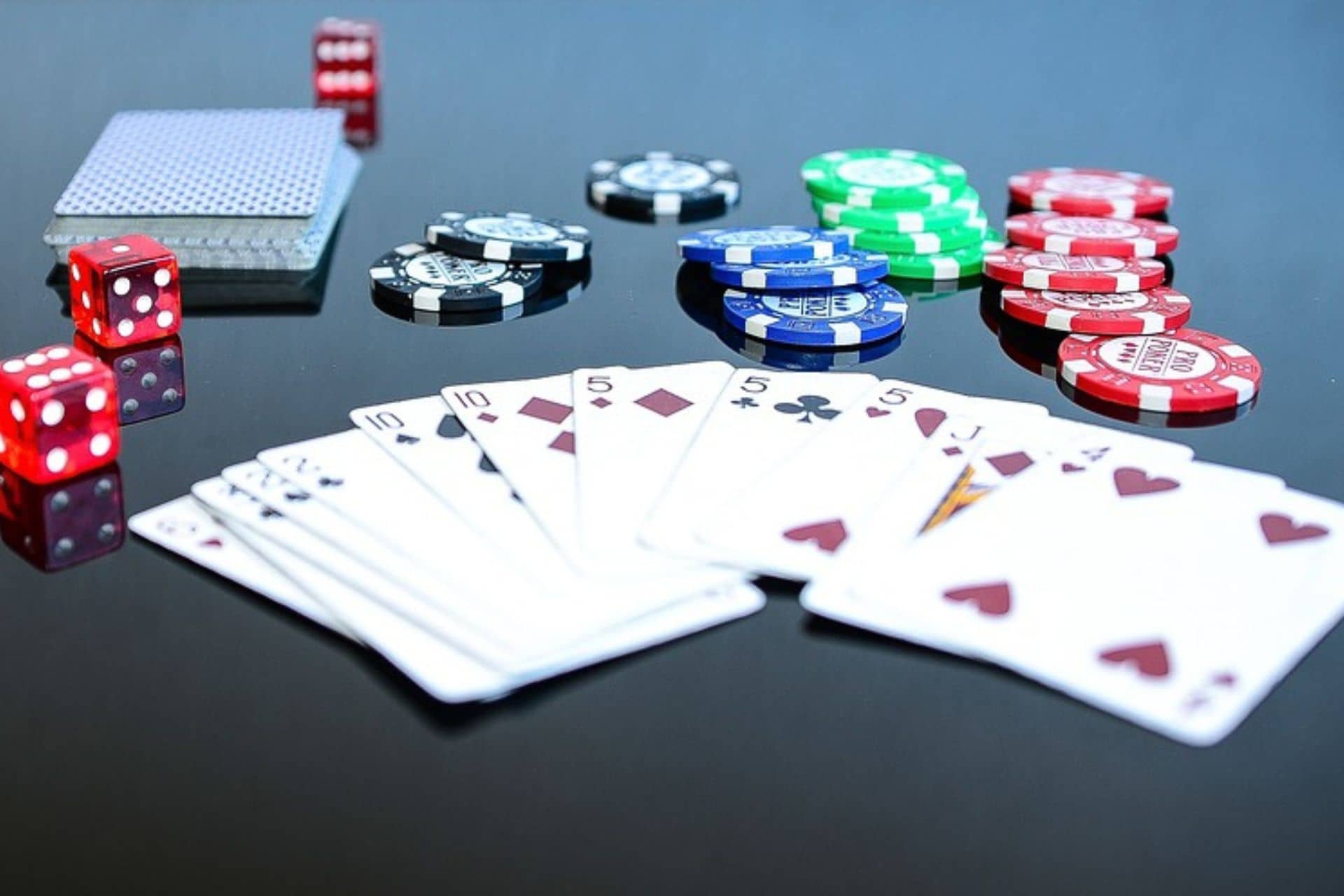
Additionally, setting limits and establishing a budget for gambling can help manage the randomness of luck. Players who approach gaming with a clear strategy and financial boundaries tend to enjoy their time at casinos more thoroughly. By acknowledging the role of luck, players can avoid emotional responses to wins and losses, enabling them to remain disciplined and focused on their strategies. This approach not only safeguards against excessive gambling but also encourages a more enjoyable experience centered on entertainment rather than solely on outcomes.
Moreover, casinos often provide various resources to help players understand the odds and strategies of different games. Utilizing these resources, players can enhance their skill levels while still embracing the role of luck in gaming. This balanced approach creates a healthier gambling environment, promoting both enjoyment and responsibility, ensuring that players can savor the excitement without falling prey to the pitfalls of excessive gambling. Ultimately, the key lies in recognizing that both luck and skill coexist within the gaming experience.
Learn More About Casino Gaming Strategies
For those looking to delve deeper into the world of casino gaming, numerous resources are available, offering insights into both luck and skill. Online forums, instructional videos, and expert articles provide valuable information for players seeking to enhance their gaming strategies. Understanding the intricacies of various games can empower players to make informed decisions, ultimately leading to a more enjoyable experience that blends excitement with strategic insight.
Additionally, many casinos offer workshops and classes that focus on skill enhancement and strategy development. Engaging in these educational opportunities can significantly improve one’s understanding of the gaming landscape, blending the thrill of chance with the beneficial influence of skill. Players who invest in learning about their chosen games are often more adept at handling both the uncertainties of luck and the strategies of skill-based play, creating a more fulfilling gaming experience.
Ultimately, the world of casino gaming is a fascinating blend of luck and skill, each playing a unique role in shaping the player’s experience. Embracing this duality allows for a richer understanding of games and encourages players to approach gaming with both excitement and responsibility. By cultivating both skill and awareness of luck, players can maximize their enjoyment and minimize the risks associated with gambling, leading to a more rewarding and sustainable gaming journey.
